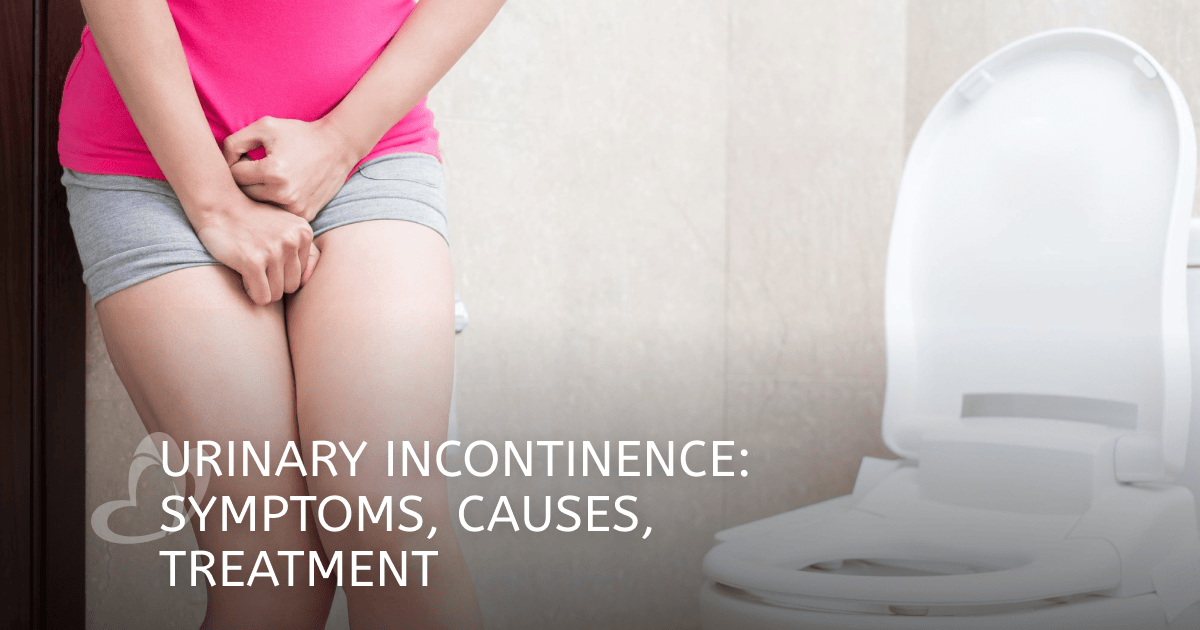
Anxiety Urinary Incontinence: Peeing When You Run, Cough, Laugh
Urinary Incontinence Stress Incontinence Ui
You can use this strategy for any kind of circumstance (sneezing, laughing, blowing your nose, straining during workout, etc) that raises abdominal pressure. SUI takes place when the muscle mass and tissues supporting your bladder and urethra come to be weak or damaged. When you cough, laugh, sneeze, or exercise, abdominal pressure boosts. Usually, the pelvic floor muscular tissues and urethral sphincter agreement to avoid leak.Kegels can reinforce your pelvic floor muscles to assist sustain your bladder and prevent leak by holding urine inside. "But don't restrict yourself simply to Kegel exercises," claims Dr. Austin. Your pelvic flooring muscles are also linked to your core and hips, so it is necessary to reinforce Incontinence-direct.com all these locations together. "A physiotherapist can look at the entire photo and help produce a strategy to minimize leaks and get you back to what you love," claims Dr. Austin. Involving your pelvic floor right before you cough or sneeze helps close your urethra (the electrical outlet for pee) so you prevent leakages.

- This isn't nearly weak pelvic flooring muscular tissues-- when you laugh, a reflex in your brain instantly relaxes the muscular tissues that regulate your bladder, triggering unforeseen leaks.
- Stress and anxiety incontinence indicates that you leakage a small amount of pee when you do something that puts stress and anxiety, stress, or pressure on your bladder.
- This write-up and its components are attended to educational and educational functions only and do not constitute clinical advice or professional solutions specific to you or your medical condition.
- For females with light to moderate tension leakage, pelvic floor physical treatment generates significant improvement.
- A pelvic flooring physiotherapist can analyze your details muscular tissue feature, identify whether giggle incontinence is part of a bigger overactive bladder concern, and develop a personalized treatment strategy.
- Numerous youngsters and teens do outgrow it as nerve control matures, however some ladies report it lingering right into adulthood.
What Is Anxiety Incontinence?
The right option for you relies on your sign seriousness, your task goals, and your choices-- all of which are discussed at your consultation. This device is simply mechanical, not related to urgency or bladder overactivity. There is no warning, no urge beforehand-- the leak merely accompanies the physical trigger. Laugh urinary incontinence takes place when laughter sets off a reflex in your brainstem that suddenly unwinds your pelvic floor muscles. Generally, these muscular tissues agreement instantly when stomach stress increases during laughter.It takes place less commonly in younger guys, yet the occurrence for both sexes raises with age. These may not be the right device if you have vaginal thinning and dryness (might need estrogen therapy first), active pelvic infections, or find insertion unpleasant. Nerissa's method incorporates comprehensive study with easily accessible writing, making complicated health subjects easy to understand without oversimplification. She thinks that everyone is entitled to exact, shame-free health information-- and that excellent material requires both know-how and humankind.
Professional Suggestions To Quit Adult Bed-wetting: Boosting Pelvic Flooring Muscles
It can vary from being a small trouble to something that substantially impacts your every day life. Speak with your medical professional to learn more about which anxiety urinary incontinence therapy choices are best for you. The reality is, this sort of bladder leakage, usually called anxiety incontinence, can suggest an underlying condition that may need focus.
It just suggests that daily movements or a hearty chuckle can often result in involuntary pee leakage. It occurs when stress on your bladder-- from activities like laughing, coughing, sneezing, or relocating-- triggers you to leak urine. Exercising diaphragmatic breathing, or deep belly breathing (see above), helps collaborate the muscle mass of your diaphragm and pelvic flooring. When these muscular tissue teams work together successfully, it can aid sustain the bladder and improve control over urine circulation.