How To Get Rid Of Skin Tags Ligation involves linking off the base of a skin tag to Raised Skin Lesions quit its blood supply. Quickly after, the skin tag merely diminishes without harming the surrounding skin. All these treatments fast-- frequently finished in just a few mins-- and carried out with appropriate sterile method to avoid difficulties.
That Goes To Risk Of Skin Tags?
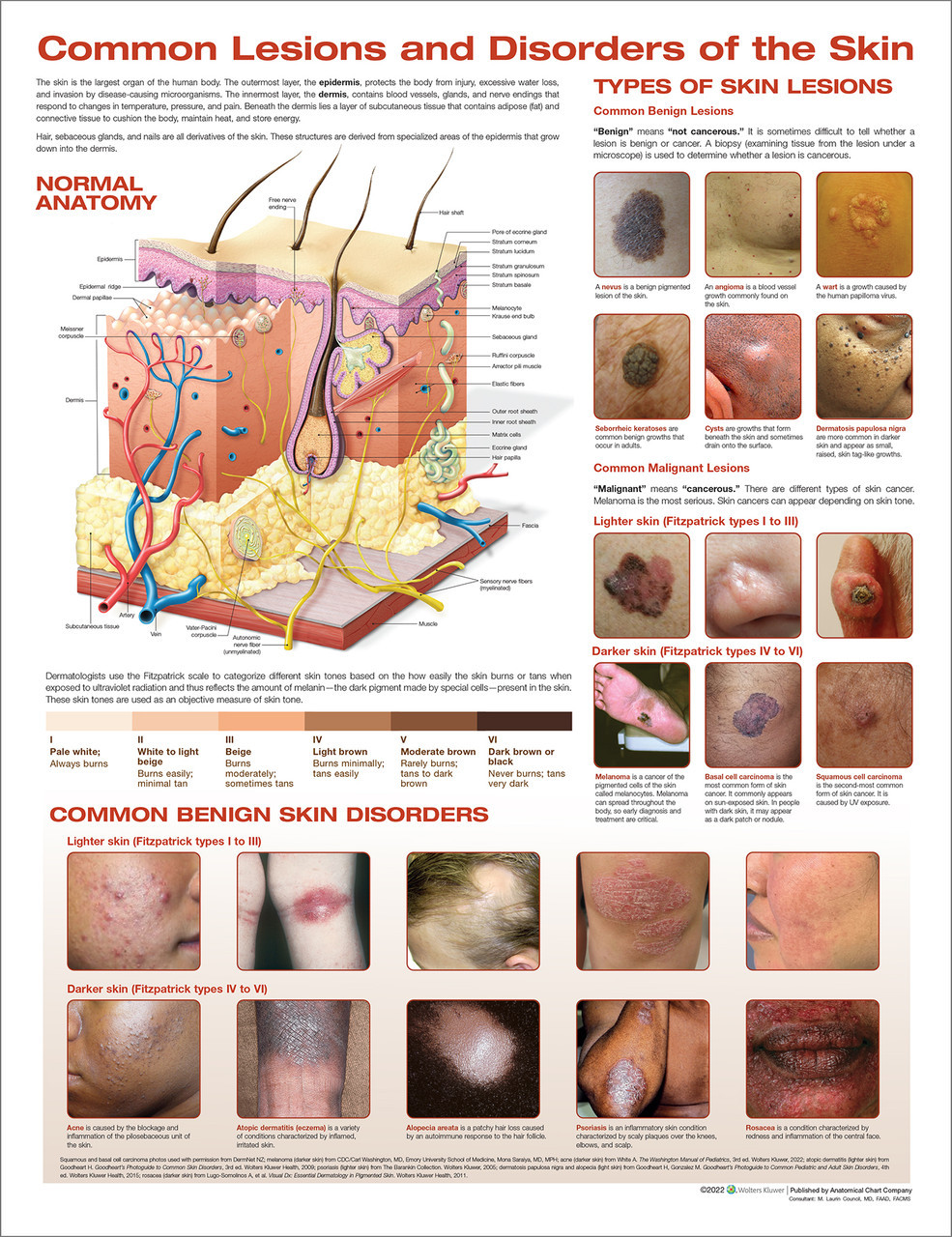
Recognizing the reasons for skin tags and the signs that it's time to take into consideration treatment can aid you make the ideal decision for your skin wellness. You currently recognize that skin tags are harmless, however what is a skin tag? A skin tag is a benign development composed of collagen and blood vessels. It usually resembles a little cluster of skin prolonging out from a solitary point.
Risks
Skin tags are relatively durable and typically should not hemorrhage or tear if they massage against another thing. If you have a skin tag that begins to hemorrhage, go see a skin doctor. Hemorrhaging can be an indicator that the skin tag is aggravated, which might be associated with an additional skin or wellness issue. If you know the factor the skin tag is hemorrhaging, such as it mistakenly obtaining captured on an item of jewelry or apparel, the skin tag is likely penalty. Bleeding is even more of an issue when the reason isn't known or the bleeding does not stop. Pay attention to just how much blood originates from the skin tag and where it is coming from because that can assist identify the trouble. If they remain in areas like your face and neck, they can make you awkward. A skin tag removal procedure from a healthcare provider can help. Skin tags (acrochordons) are little, noncancerous developments that often tend to be the exact same color as your skin. They usually resemble a cluster of skin tissue expanding out from a little stem.
Skin tag removal is normally due to aesthetic factors as they are safe.
As we stated previously, the net is full of recommendations on exactly how to remove skin tags yourself, however we warn you versus this practice for several reasons.
Should they come to be a problem, it is essential to know exactly how to safely get rid of skin tags.
They will certainly ask about your health and wellness history, paying cautious focus to conditions that raise your threat for skin tags.
If you would like to recognize how to get rid of skin tags painlessly, think about ligation.
Skin tags that are really little and have a thin stalk (called a peduncle) might shed blood circulation if they obtain twisted or aggravated, causing them to shrivel and fall off.
As a result, prevent treating it at home and check in with your physician as very early as feasible. The good news is enough, all skin tags are benign and non-cancerous-- even the larger and darker ones! They merely just include collagen and as a result do not require any type of treatment. If a doctor removes the whole skin tag, it's not likely to expand back. Skin tags, while not unpleasant, can be a source of extreme pain. They make many people feel awkward, specifically depending on where they lie.
Is it all right to simply ignore skin tags?
Skin tags (acrochordons) are small growths that hang on your skin. They' prevail, particularly as you age and don't trigger any kind of damage. Skin tags have a tendency to develop when the skin massages together. There is no demand to eliminate a skin tag.
Skin tags are not cancerous, and skin cancer cells is not generally misinterpreted for a safe skin tag. Individuals of all ages, including ladies, guys, and youngsters, extremely generally present to the dermatology workplace for the removal of skin tags. As we stated previously, the internet contains recommendations on how to eliminate skin tags on your own, however we warn you versus this practice for several factors. Trying to remove these pesky developments on your own can leave a problem that Have a peek at this website looks much even worse than when you started. Skin tags that hurt often scrub versus apparel, jewelry, or other skin or are found in a location that triggers rubbing. Although this irritability most likely isn't the signal of a larger clinical concern, it can be awkward and can be a factor to discuss your skin tag with a neighborhood skin doctor. The majority of skin tags are small and the same color as your skin. It's approximated that fifty percent of all adults will have at least one skin tag in their life time. Individuals are most likely to develop skin tags as they age, with the majority of skin tags occurring in individuals older than 60. Although skin tags are not malignant, it is essential to obtain your skin checked out by a doctor to ensure more concerning growths aren't missed. The treatment often tends to trigger a short stinging or burning sensation. You can expect the skin tag to diminish in about 10 to 2 week. Clinically speaking, a lot of skin tags do not need to be gotten rid of. People with multiple skin tags are statistically most likely to have insulin resistance. This does not indicate skin tags create diabetes mellitus, yet they can sometimes be a visible clue. The tags aren't unsafe and are merely extra cells that collect in addition to the smooth surface of your skin, connected by a stalk. The damages might be also worse if you use nail clippers or scissors on skin tags near your eye or genitals. While many skin tags are harmless, any quickly changing skin lesion is entitled to clinical attention. For medical diagnoses of typical skin cancer, Image-Guided Superficial Radiotherapy (Image-Guided SRT, which is utilized by GentleCure ®) might be a therapy alternative. By targeting malignant cells with radiation, Image-Guided SRT can treat skin cancer without the risk of medical scarring that comes with Mohs surgical treatment. Older skin tags might start to tackle a brown or russet shade. Some can be lumpy and uneven, with a harsh, warty texture. In those situations, it's a good concept to have a doctor have a look. You intend to make sure that it's a skin tag and not a precancerous growth. These developments are comprised of skin cells, collagen fibers, afferent neuron and fat and capillary.